Queens Foreclosures: What Every Homeowner Needs to Know To Save Their Home! Call 888-576-2221 To Learn More!
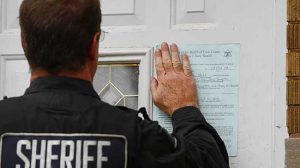 If you own a home in Queens and you’ve fallen behind on your mortgage, you’re not alone.You are also and you are not powerless. From Jamaica to Astoria, Flushing to Rockaway, Queens foreclosures are becoming common place. Homeowners are dealing with job loss, rising costs, or unexpected life events that make it hard to keep up with payments.
New York’s foreclosure process is complicated. However, the process does allow you an opportunities to fight back. With the help of a Queens-focused New York foreclosure defense lawyer, you may be able to save your home, buy valuable time, or negotiate a better resolution.
How Foreclosure Works in New York (Why Queens Foreclosures Are Different)
New York is a judicial foreclosure state. That means your lender must go to court and file a lawsuit to foreclose on your home. For Queens homeowners, means your case is heard in Supreme Court in Queens County.
A typical New York foreclosure case includes:
- Missed payments
After you miss a certain number of payments, your loan goes into default. - Pre-foreclosure notices
In many residential cases, the lender must send a 90-day pre-foreclosure notice and other required notices before starting a court case. - Foreclosure summons and complaint
The lender files a lawsuit and serves you with a Summons and Complaint. This is the official start of the foreclosure action. - Mandatory settlement conference
In New York, most residential foreclosure cases involve a mandatory settlement conference, usually early in the case. This is especially important for Queens homeowners—it’s your chance to explore alternatives like loan modification under court supervision. - Court decisions and sale
If the lender wins and there is no settlement, the court may issue a judgment of foreclosure and sale. Eventually, the property can be sold at auction.
The key takeaway: Queens foreclosures are a process. They are not an event. There are multiple stages where an experienced attorney like Kevin T. Conway can step in, raise defenses, and negotiate on your behalf.
The First Steps In Queens Foreclosures Is For You To Be Served With Foreclosure Lawsuit
If you’ve just been served with foreclosure papers, it’s easy to feel overwhelmed. Here’s what you should do right away:
- Don’t ignore the papers
Ignoring a foreclosure lawsuit can lead to a default judgment. This making it much easier and faster for the lender to take your home. Even if you think you have no defense, you should still respond. - Check your deadlines
In New York, you typically have a limited number of days (often 20 or 30 days, depending on how you were served) to file an Answer to the Complaint. Missing this deadline can seriously hurt your case. - Gather your documents
Start pulling together:- Mortgage and note
- Payment history and bank statements
- Any letters or notices from your lender or servicer
- Prior modification applications or hardship letters
- Contact a Queens foreclosure defense lawyer quickly
A lawyer familiar with Queens foreclosures, Queens courts, local judges, and local bank attorneys can:- File a timely Answer
- Raise legal defenses you may not know you have
- Represent you at the settlement conference
- Help you apply for a loan modification or other resolution
- Stay in your home (if safe and appropriate)
In many Queens foreclosures, homeowners can legally remain in the property while the case is pending. Always ask your lawyer what makes sense in your situation.
Common Defenses in Queens Foreclosures
Many homeowners assume during Queens foreclosures that if they’re behind on payments, they have no defense. That’s not always true.
Attorney Kevin T. Conway focuses on Queens foreclosures. As a result, will be able to explore issues such as:
- Improper service of papers
Were you properly served with the Summons and Complaint under New York law? - Lack of standing
Can the bank or servicer actually prove it owns or holds your loan and has the right to sue? - Defects in the loan documents
Are the note and mortgage properly assigned, endorsed, and recorded? - Violations of notice requirements
Did the lender send the 90-day pre-foreclosure notice and other required disclosures in the correct form, with correct language, and to the correct address? - Errors in accounting
Are the amounts claimed due actually accurate? Were payments credited properly? Are fees and charges lawful and correctly calculated? - Statute of limitations issues
In some cases, the time limit for bringing the foreclosure action may be at issue, depending on the specific facts and prior actions by the lender.
Not every case will have every defense. However, one strong defense can change the outcome or strengthen your position in negotiations.
Options to Save Your Home From Foreclosure in Queens
A good defense strategy in Queens foreclosures looks at both legal defenses and practical solutions. Depending on your goals and finances, your lawyer may help you explore:
4.1 Loan Modification
A loan modification can adjust the terms of your mortgage to make payments more affordable, such as:
- Lowering the interest rate
- Extending the loan term
- Adding past-due amounts to the back of the loan
The settlement conference in Queens foreclosures is a key opportunity to work on a modification with your lender.
4.2 Repayment Plan or Forbearance
If your hardship was temporary (for example, a short-term loss of income), you may be able to:
- Enter a repayment plan, where you gradually catch up on missed payments
- Obtain a forbearance, which temporarily reduces or pauses payments
4.3 Refinancing or Selling
Depending on your equity and credit:
- Refinancing with a new lender might be possible in some cases
- Selling the property before a foreclosure sale can help you avoid a foreclosure on your record
4.4 Bankruptcy (Chapter 13 or Chapter 7)
In some situations, a bankruptcy filing may:
- Temporarily stop a foreclosure sale through the automatic stay
- Allow you to propose a plan to catch up on arrears over time (in Chapter 13)
Because bankruptcy has serious long-term consequences, it should be discussed carefully with a qualified attorney.
Options If You Decide Not to Keep the Home
Not every homeowner wants—or is able—to keep their property. Even then, you still have options to avoid a full foreclosure:
- Short sale
Selling the property for less than what’s owed, with the lender’s approval. - Deed in lieu of foreclosure
Transferring the property back to the lender, possibly in exchange for forgiveness of some or all of the debt. - Negotiated move-out / “cash for keys” type arrangements
In some cases, lenders may agree to assist with moving costs in exchange for a cooperative, timely move-out. Terms vary and must be carefully reviewed.
Even if you’re ready to move on, a Queens foreclosure defense lawyer can help structure the exit in a way that better protects your credit and financial future.
Myths About Queens Foreclosures You Shouldn’t Believe
Let’s clear up a few common myths:
- “I missed payments, so I have no rights.”
False. You still have rights, defenses, and options under New York law. - “If I ignore it, it will go away.”
Ignoring foreclosure papers almost always makes things worse. It can speed up the process and limit your options. - “A foreclosure defense lawyer is too expensive.”
Many foreclosure defense attorneys offer consultations and flexible fee structures. Also, the cost of doing nothing can be much higher. - “All foreclosure cases are the same.”
Queens cases can have unique aspects—from local court practices to the types of lenders and servicers involved. Local experience matters.
Why Working With a Queens Foreclosure Defense Lawyer Matters
A lawyer who regularly handles Queens foreclosures brings:
- Local court familiarity
Understanding how Queens Supreme Court handles settlement conferences, motion practice, and scheduling is a real advantage. - Experience with major lenders and servicers
Knowing how different banks and servicers typically negotiate can speed things up and improve your chances of a good result. - A strategy tailored to your goals
Whether you want to save your home, buy time, or exit on better terms, a focused legal strategy can make a huge difference.
- Taking the Next Step With Queens Foreclosures
If you’re facing foreclosure in Queens, the most important thing is not to wait. The sooner you get help, the more options you’ll usually have.
- Have you received a 90-day notice or a Summons and Complaint?
- Are you scheduled for a settlement conference in Queens Supreme Court?
- Are you already in a long foreclosure case and not sure what’s happening?
It may be time to talk with a New York foreclosure defense lawyer who focuses on Queens homeowners and Queens foreclosure cases.
Legal Disclaimer:
This blog post is for general informational purposes only and is not legal advice. Reading this page does not create an attorney–client relationship. Every situation is different; you should speak with attorney Kevin T. Conway about your specific circumstances at 888-576-2221.