HOA Foreclosures Surge as Homeowners Associations Run Out of Money
HOA foreclosures are climbing fast! Why? Rising maintenance costs, insurance spikes, and unpaid dues push HOAs into aggressive collection tactics nationwide.
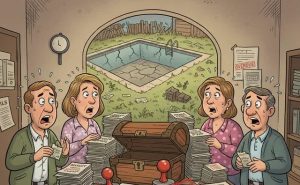
America’s homeowners associations are running short on cash and on patience. They face higher insurance premiums, depleted reserve funds, and tougher safety rules after the Surfside condominium collapse in Miami. As a result, hundreds of thousands of HOAs are cracking down harder on residents who fall behind on dues and assessments.
Many homeowner associations are no longer offering extended grace periods. Instead, they are quickly turning delinquent accounts over to attorneys and collection firms. This is resulting in a sharp rise in HOA foreclosures that are outpacing broader mortgage foreclosure trends. Thus, putting more families at risk of losing their homes over unpaid assessments.
HOA Foreclosures Jump Nearly 40% in Two Years
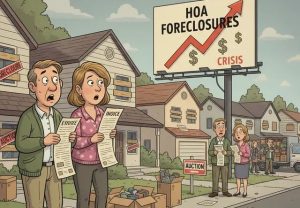 ATTOM data shows HOA foreclosures have climbed nearly 40% over two years. They have reached 6,376 properties in the first quarter. That pace has moved ahead of overall mortgage foreclosure rates, underscoring how seriously associations are treating unpaid dues.
These sales often resemble traditional foreclosures and typically take place at auction. If the property sells, the homeowner may have a 90-day right of redemption in some states. This means they can reclaim the home by paying delinquent amounts plus collection fees and costs. If no one bids, the HOA can take ownership, keep the property, sell it, transfer it to a senior lienholder, or allow a bank foreclosure to proceed.
Not every state offers the same protection. In Pennsylvania, for example, there is often no right of redemption. Once the hammer falls at a sheriff’s sale, the homeowner generally loses the ability to simply pay off the debt and keep the property. Buyers at these sales also need to research existing liens, because some encumbrances can survive the foreclosure. Namely, in a state like Florida.
Why Missed HOA Dues Turn Into Huge Bills And HOA Foreclosures
The original unpaid dues are frequently only a small part of what homeowners eventually owe. Collection costs can balloon quickly. Many HOAs outsource delinquencies to specialized collection firms that add substantial fees to the balance. In some cases, those firms are connected to the same attorneys advising the association. This creates a financial incentive to pursue aggressive HOA foreclosures rather than work out affordable repayment plans with residents.
Millions of Americans live in HOA-governed communities and monthly dues have been climbing.
In Magnolia Cove, an 80-home community outside Charlotte, North Carolina, residents saw monthly HOA dues jump from $1,250 along with a $10,000 special assessment. Pressure like that makes it harder for households already stretched by inflation, insurance, and housing costs to stay current.
Rising Costs Squeeze HOA Budgets Nationwide Leading To Skyrocketing HOA Foreclosures
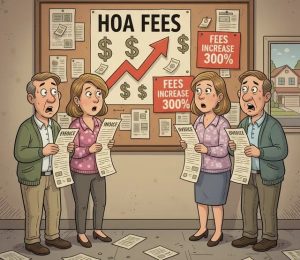
Delinquencies are only one side of the problem. HOAs themselves are absorbing higher expenses for insurance, staffing, landscaping, maintenance materials, and new safety requirements.
In 2025, HOAs filed more than 285,000 liens—an increase of about 8.8% from the prior year—according to Benutech, which tracks HOA delinquency and foreclosure trends. One Long Island HOA watched its annual insurance premium soar from 360,000. Across the country, associations are also spending more to meet stricter structural and safety standards introduced after the 2021 partial collapse of Champlain Towers South in Surfside, Florida, which killed 98 people.
When unpaid dues pile up, boards often respond with special assessments, deferred maintenance, or both. That combination can hurt property values for the entire neighborhood, not just the households in arrears.
At Fairview Condo 1 in Middle Island, New York, 15 of 202 units were reportedly behind on 8,900 per month. Ten of those units were in foreclosure. The board has relied on special assessments and delayed upkeep to manage the gap.
Even high-profile owners have been caught up in disputes. Floyd Mayweather Jr.’s Las Vegas home carried about $25,000 in unpaid dues beginning in January 2025, plus interest and legal fees, the Journal reported. His attorney said the issue stemmed from an accounting oversight and was resolved after a shake-up of the boxer’s financial team.
Super-Priority Liens Give HOAs Powerful Leverage In HOA Foreclosures
In many states, “super priority” laws allow HOA liens for unpaid dues to take precedence over other claims in limited amounts, sometimes enabling associations to foreclose even when a bank holds the primary mortgage. That legal leverage helps HOAs recover funds, but it also raises the stakes for homeowners who fall behind—even by relatively modest sums—once attorney fees and collection charges are added.
For buyers considering a home purchased at an HOA foreclosure auction, due diligence is essential. Outstanding liens, unpaid assessments, and governing-document obligations can affect both title and future costs. For current owners, early communication with the board or management company is often far less expensive than waiting until an account is sent to collections.
What Homeowners Can Do If They Fall Behind
If you live in an HOA and are struggling with dues:
- Contact the association or management company as soon as you anticipate a problem and ask about payment plans.
- Request a full written breakdown of principal dues, late fees, interest, attorney charges, and collection costs.
- Review your state’s rules on notice requirements, cure periods, and rights of redemption.
- Seek advice from a qualified real estate or consumer attorney before a lien turns into a foreclosure filing.
- Keep records of every payment, email, and notice related to your account.
HOAs have a legitimate need to collect assessments so they can insure buildings, maintain common areas, and meet safety standards. At the same time, the rapid growth in liens and foreclosures shows how quickly rising costs and aggressive fee structures can push ordinary homeowners toward losing their properties.
The Bottom Line on HOA Foreclosures
Homeowners association foreclosures are rising because many HOAs are under real financial strain—from insurance sticker shock, reserve shortfalls, post-Surfside safety mandates, and residents who cannot keep up with higher dues and special assessments. Collection practices that once allowed more time to catch up are giving way to faster referrals to attorneys and HOA foreclosures.
For the millions of Americans living under HOA rules, the message is clear: unpaid dues are no longer a minor administrative issue. They can escalate into liens, large fee balances, and foreclosure—sometimes faster than homeowners expect. Staying current when possible, documenting everything, and getting help early remain the best ways to protect your home as associations fight to stay solvent.
The Law Office of Kevin Conway Has A History Of Getting Successful Loan Modifications
This blog post is for general informational purposes only and is not legal advice. Reading this page does not create an attorney–client relationship. Every situation is different; you should speak with attorney Kevin T. Conway about your specific circumstances regarding HOA foreclosures. Feel free to call our office at 888-576-2221.